
Safari guides · Uganda
Best Time to Visit Uganda: Month by Month Guide for 2027
Uganda's dry and rainy seasons, the weather month by month, and the best time for gorilla trekking, chimpanzees, savannah safaris and birding.
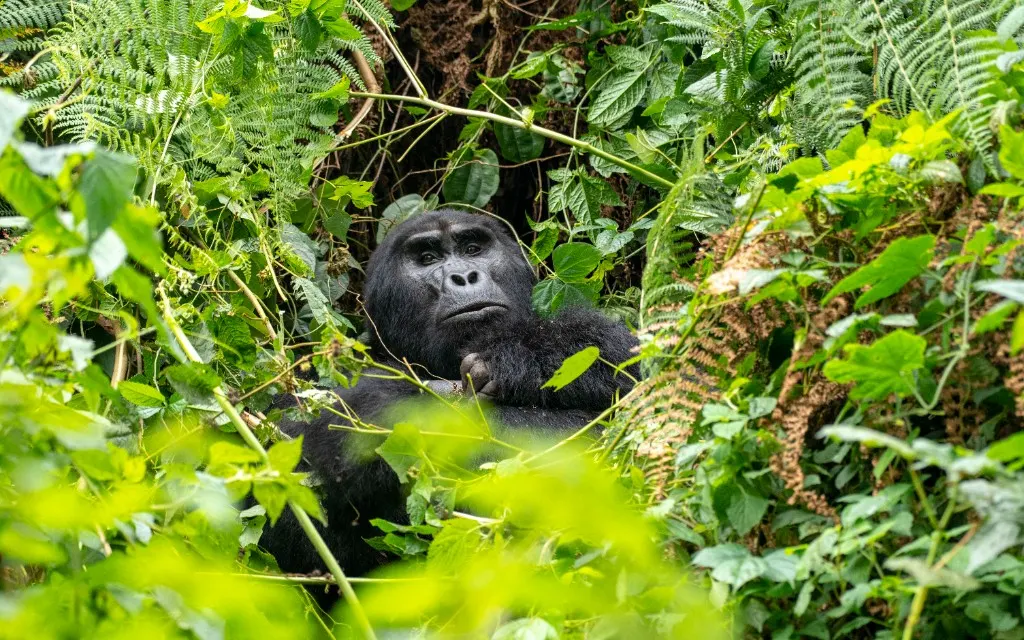
Uganda sits on the equator, so temperatures stay fairly even through the year and the seasons are defined by rain rather than heat. You can visit in any month. The real question is what matters most to you: drier trails, lower permit prices, or quieter parks. This guide explains the best time to visit Uganda for each.
Quick facts
| Best time to visit | June to September and December to February (drier months) |
|---|---|
| Dry seasons | June to September; December to February |
| Rainy seasons | March to May (long rains); October to November (short rains) |
| Gorilla permit | $800 per person; $600 in April, May and November |
| Chimpanzee permit (Kibale) | $300 per person; $200 in the low season |
| Gorilla habituation | $1,800 per person |
| Busiest months | June to August and December |
Permit rates: Uganda Wildlife Authority, letter TDO 93/04 (PDF). We confirm the rate for your dates in writing before you pay.
Uganda weather by month
Use this as a general guide. Rain varies by region and from year to year, and the mountain forests of Bwindi and Mgahinga can get rain in any month.
| Month | Typical weather | What to expect | Gorilla permit |
|---|---|---|---|
| January | Dry | Good trekking conditions; a popular month | $800 |
| February | Dry and warm | Good trekking and game viewing | $800 |
| March | Long rains begin | Wetter trails, fewer visitors | $800 |
| April | Long rains, often wettest | Green landscapes, quiet parks | $600 low season |
| May | Long rains ease late in the month | Good value, fewer visitors | $600 low season |
| June | Dry | Peak season starts; book early | $800 |
| July | Dry | Peak season; permits sell out first | $800 |
| August | Dry | Peak season; permits sell out first | $800 |
| September | Mostly dry, showers increase late | Good conditions, slightly quieter | $800 |
| October | Short rains begin | Green, quieter parks | $800 |
| November | Short rains | Good value, fewer visitors | $600 low season |
| December | Drier, festive peak | Busy over the holidays; book early | $800 |
Uganda dry season vs rainy season
Dry seasons: June to September and December to February
These are the most popular months. Forest trails are less muddy, roads are easier, and in the savannah parks the grass is shorter and animals gather near water, which makes game viewing easier. The trade-off is demand: permits and the best lodges book up first, so plan months ahead.
Rainy seasons: March to May and October to November
Rain usually comes as heavy showers, often in the afternoon, with sunshine between. The country turns green, parks are quieter and prices for gorilla and chimpanzee permits drop in the low season. Expect slippery trails and slower driving on some roads.
Pros and cons at a glance
| Dry season | Rainy season | |
|---|---|---|
| Pros | Easier trails and roads; good savannah game viewing; better for photography in open country | Lower gorilla and chimp permit prices; fewer visitors; green scenery; good birding |
| Cons | Highest demand; permits and lodges sell out; busier parks | Muddy, slippery trails; some slower roads; showers can interrupt activities |
Best time for gorilla trekking in Uganda
Gorilla trekking in Bwindi Impenetrable National Park and Mgahinga runs every day of the year. In the drier months the steep forest trails are easier underfoot, which is why June to September and December to February are the busiest. In April, May and November the permit costs $600 instead of $800, which is a real saving for couples and families, but trails are wetter and you need good boots and rain gear.
For a longer, more in-depth visit, the gorilla habituation experience costs $1,800 per person. See our gorilla permit cost guide for 2027, the month-by-month gorilla trekking calendar and our Uganda gorilla safari packages.
Best time for chimpanzee tracking
Chimpanzee tracking in Kibale Forest also runs all year. Drier months make walking easier, while the low season brings the permit down from $300 to $200 per person. Read our Kibale chimpanzee tracking guide or combine both primates on the 4-Day Gorillas and Chimpanzee Trekking safari.
Savannah parks: Queen Elizabeth, Murchison Falls and Kidepo
For game drives, the dry seasons are usually best. Vegetation is thinner and animals stay closer to rivers and waterholes, so they are easier to find. In Queen Elizabeth National Park the Kazinga Channel boat trip runs all year. In Murchison Falls National Park the falls and the Nile launch are rewarding in any season. Kidepo Valley in the far north east is remote, and the drier months make the long road journey easier. In the rains, game is still there but more spread out, and some tracks can become muddy.
Try the 3-Day Queen Elizabeth safari, the 3-Day Murchison Falls safari or the 8-Day Big 5 Uganda tour.
Best time for birding in Uganda
Uganda is excellent for birding all year. Many birders favour the wetter months, when resident birds are breeding and migrant species from Europe and northern Africa are present, roughly from November to April. Wetlands such as Bigodi near Kibale and the Kazinga Channel are good in any season.
Which season suits you?
- First-time visitors and fixed holidays: June to September or December to February, booked early.
- Budget-minded travellers and couples: April, May or November for $600 gorilla permits and quieter lodges. See our low-season gorilla safari.
- Photographers: dry months for savannah wildlife; the green season for lush forest and landscapes.
- Birders: the wetter months, roughly November to April.
- Families: school holidays fall in peak months, so book permits early. The minimum age for gorilla trekking is 15.
Planning and cost
Your travel month affects permit prices and availability more than anything else. Our Uganda safari cost guide for 2027 breaks down the full budget. Bookings need a 30% deposit, with the balance due 60 days before departure. A yellow fever certificate is not required to enter Uganda. Travel insurance is not included in our packages, so arrange your own cover. Read Uganda e-visa and health requirements before you travel.
Frequently asked questions
What is the best time to visit Uganda?
For most travellers, the drier months of June to September and December to February are the best time to visit Uganda. Trails in Bwindi and Kibale are easier and savannah game viewing is good. April, May and November are wetter but bring lower gorilla and chimpanzee permit prices.
What is the best time for gorilla trekking in Uganda?
June to September and December to February usually give the driest trails in Bwindi and Mgahinga. Gorilla trekking runs all year, and in April, May and November the UWA permit is $600 instead of $800.
When is the rainy season in Uganda?
Uganda has two main rainy seasons: the long rains from about March to May and the short rains from about October to November. Rain often falls as heavy showers rather than all day, and patterns vary by region and year.
Is it worth visiting Uganda in the rainy season?
Yes, for many travellers. The landscape is green, there are fewer visitors, and gorilla permits cost $600 in April, May and November and chimpanzee permits $200 in the low season. Expect muddier trails and some slower roads.
How much is a gorilla permit in the low season?
Under UWA letter TDO 93/04, a gorilla trekking permit is $600 per person in April, May and November and $800 in other months. We confirm the rate for your dates in writing before you pay.
When should I book gorilla permits?
Book as early as you can, especially for June to September and December, when permits sell out first. UWA only holds a permit once it is paid.
Do I need a yellow fever certificate or travel insurance?
A yellow fever certificate is not required to enter Uganda. Travel insurance is not included in our packages, so arrange your own cover before you travel.